Sustainability in Plastic Manufacturing – How Lightweighting Makes a Material Difference in Polymer Production
August 25, 2025 • 3 min read
Plastic manufacturing and molding is evolving to set new standards in innovation and sustainability. At Alltrista, we leverage material science to optimize rigid packaging through lightweighting - reducing materials while ensuring durability and efficiency. These innovations shape the future of rigid packaging, balancing functionality and responsibility.
What is Lightweighting in Plastic Manufacturing?
Lightweighting means exactly what it sounds like - making things lighter. A creative design method that’s gained steam over the past decade, lightweighting allows plastic product manufacturers to make products that are lighter in weight without compromising strength or reliability when compared to conventionally-made alternatives. It all boils down to smart resource optimization.
By refining each step during product design and manufacturing, lightweighted products offer multiple advantages - all without sacrificing protection and performance. Benefits of lightweighting include:
- Increased sustainability: By using less resin, lightweighted products have a lower carbon footprint during the manufacturing process. This resin reduction, which is balanced by an optimized design, can save millions of pounds of plastic each year.
- Weight Savings Without Compromise: Material reduction in the manufacturing process reduces the finished product’s weight which can help to reduce the cost of freight and shipping
- Alternate Materials: In addition to lightweighting traditional resins like high density polyethylene, research has indicated that lightweighting practices may be able to be utilized for alternative, more sustainable resins such as certain post-consumer resins. Research into the prospect of lightweighting continues to open more doors for what could be possible for future lightweighted products.
How Alltrista is Innovating in Material Science
Today, our HDPE bottle lightweighting process has helped us to reach new benchmarks in part weight, allowing us to achieve up to 20% weight savings over legacy designs through material reduction. This has helped our customers save, on average, over 1 million pounds of plastic within the first year of the program. To put this into perspective, this is equivalent to the weight of 77 African Bush elephants!
This strategy also makes it possible to achieve a higher product output. Using our 26mm bottle caps as an example, less resin used, in combination with our higher cavitation (128 cavities vs 96 cavities) and faster cycle times (1.9 seconds vs 3 seconds) means more bottle closures can be produced per cycle. An individual AllCap™ manufacturing system is able to produce over 1.55 billion caps annually while utilizing only a 270ft² space and removes up to 1.025 million pounds of plastic from the waste stream
By switching to our rigid packaging and beverage bottling solutions, you too can save time, money, and your elephant’s share of plastic each year.
Lightweight Solutions, Heavyweight Benefits
At its core, material science is about combining innovation with consistent quality. At Alltrista, we’re constantly refining and optimizing the tools of our trade to better serve our customers. For our team, that means developing products that don’t compromise performance while using fewer resources during the manufacturing process. From our HDPE bottle lineup to our beverage bottle closures, we deliver lightweight solutions that reduce energy use and waste.
As a company we’re focused on offering a product lineup that is continuously improving to support our customer’s ever-growing needs as well as the global need for resource efficiency in plastics manufacturing. Alltrista has earned an EcoVadis Gold Medal, a recognition awarded to the Top 5% of companies assessed by EcoVadis in the 12 months prior to the medal issue date. This award reflects the quality of the company's sustainability management system and demonstrates a commitment to promoting transparency throughout the value chain. Thanks to these processes, we’re able to minimize our impact on the environment, all while maximizing cost and efficiency for our customers.
Learn more about the benefits of the lightweighting process and explore our suite of solutions here.
More Articles
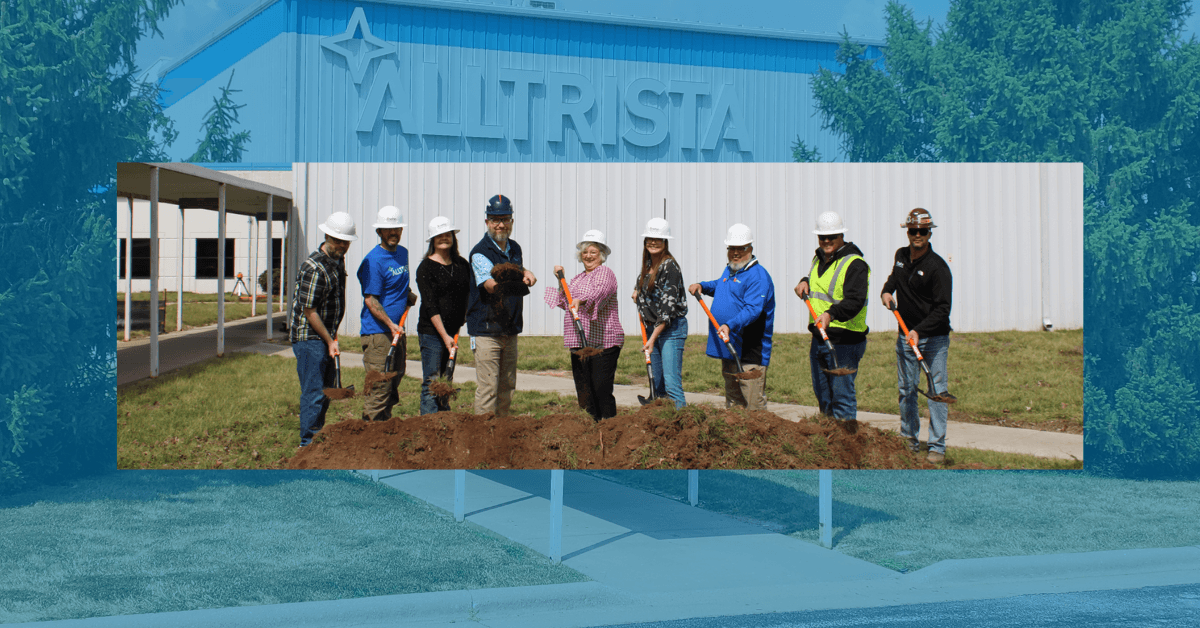
Springfield Facility Expansion Marks Key Growth Milestone for Alltrista
Alltrista Plastics LLC, a subsidiary of Jadex Inc., announced a 25,000-square-foot expansion of its Springfield, Missouri, facility, set for completion in September 2026. The investment will create new jobs, increase production capacity, and establish the site as a center of excellence for compression blow forming technology, supporting growth in both medical and consumer packaging markets.
Read More
Injection Molded Plastic in Healthcare: How Plastic Medical Supplies Support Improved Outcomes
Injection molded plastics play a critical role in modern healthcare by enabling safe, consistent, and cost-effective medical supplies. This article explores how plastic materials support better patient outcomes and innovation in medical devices.
Read More
Circular by Nature: Why Your Everyday Choices Matter - Now More Than Ever
A circular economy aims to reduce waste by keeping products and materials in use for as long as possible. Learn how everyday decisions, including choosing recyclable or compostable products, can help support sustainability.
Read MoreBiodegradable vs. Compostable - What’s the Real Difference and Why Does It Matter?
While all compostable products are biodegradable, the terms are not interchangeable. Compostable items are a regulated subset that must break down within a specific timeframe under controlled, aerobic conditions to produce nutrient-rich soil. This distinction is critical for infrastructure, as anaerobic decomposition in landfills produces methane, a potent greenhouse gas. The FTC’s Green Guides ensure manufacturers provide clear, verifiable evidence for all environmental claims to protect consumers from confusion and greenwashing.
Read MoreChild-Resistant Closures: How Do They Work and Where Can You Use Them?
Child-Resistant Closures (CRCs) are a vital safety feature mandated by the CPSC under the Poison Prevention Packaging Act (PPPA) for dozens of hazardous products, including prescription medication, household cleaners, and cannabis products. These closures require a minimum of two motions to open, like the common "push down and turn" mechanism, making them difficult for children under five to access quickly, while remaining easy for adults.
Read More